Soft-Touch Lamination
Here we introduce soft-touch lamination, explain what makes it unique, discuss its advantages, compare it with matte and gloss lamination, and cover the most popular applications across a range of print products.
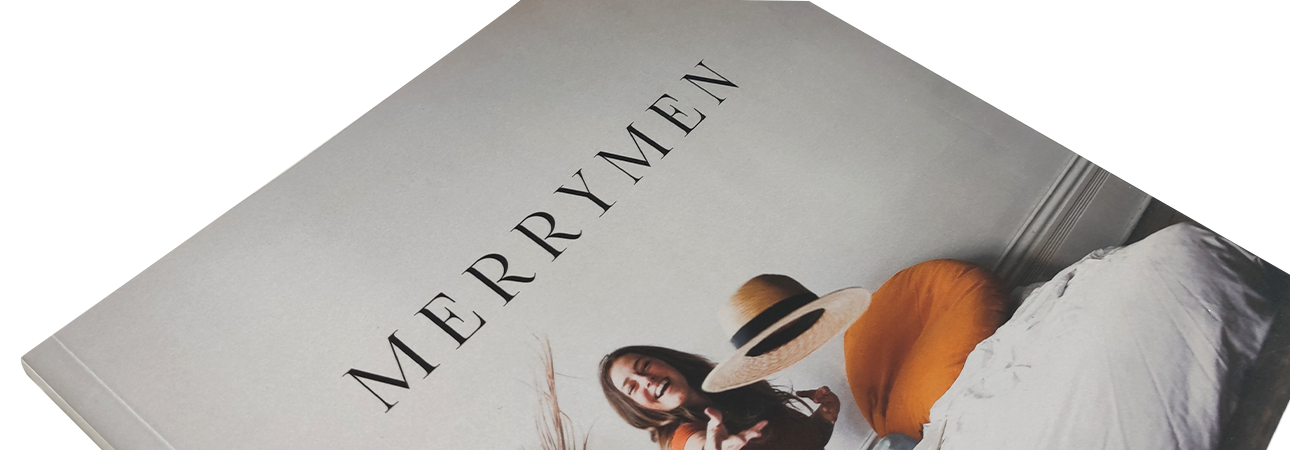
What Is Soft-Touch Lamination?
Soft-touch lamination is a finishing process where a specialised, soft-touch surface BOPP (Biaxially Oriented Polypropylene) film is applied to the surface of printed paper using heat and pressure. It can be applied to one or both sides depending on your project needs.
What makes soft-touch lamination truly distinct from gloss and matte lamination is its tactile quality. While gloss lamination reflects light for a bright, vibrant finish and matte lamination diffuses light for a refined, silky look, soft-touch lamination goes a step further — it creates a surface that feels as extraordinary as it looks. The result is a velvety, suede-like texture that invites the reader to pick it up, hold it, and linger. No other lamination finish delivers this kind of sensory experience.
Also known as “velvet” or “soft feel” lamination, it is the premium choice among lamination options — and the one most closely associated with luxury, craftsmanship, and high-end print products. Like all BOPP laminates, it also adds a layer of protection against everyday handling, though it is slightly more prone to fingerprints and scuffing than gloss or matte. Please note that soft-touch lamination requires paper of above 105gsm — the thinner paper will curl or develop wrinkles after lamination.”
The Advantages of Soft-Touch Lamination
Soft-touch lamination offers a unique combination of visual elegance and tactile appeal that sets it apart from all other lamination options. Here are the key benefits:
- Unmatched tactile experience — the velvety, suede-like surface creates an immediate sensory impression of quality and luxury that no other lamination can replicate.
- Premium visual appearance — soft-touch lamination gives printed surfaces a subtle, sophisticated look that positions your product at the top end of the market.
- Ideal for special finishes — it works beautifully alongside foil stamping, embossing, and spot UV, all of which stand out dramatically against the soft-touch background, creating stunning visual and tactile contrast.
- Increases perceived value — products with soft-touch lamination are more likely to be kept, treasured, and shared, adding long-term value beyond the initial impression.
- Added protection — while softer than gloss or matte in terms of resistance, it still provides meaningful protection against moisture and everyday handling compared to an unlaminated surface.
- Versatile application — suitable for one or both sides, soft-touch lamination works across a wide range of products wherever a luxury finish is called for.
Soft-Touch Lamination vs Matte vs Gloss
All three lamination types use BOPP film applied with heat and pressure, and all three provide a degree of surface protection. But each delivers a very different experience:
Gloss lamination reflects light, making colors appear vivid and bright. It is the most protective of the three and is ideal for bold, eye-catching products like children’s books, product catalogs, and packaging.
Matte lamination diffuses light for a soft, non-reflective finish. Colors appear slightly deeper and the overall effect is refined and understated — a popular choice for literary books, luxury packaging, and products where elegance matters.
Soft-touch lamination goes beyond visual effects entirely. Its defining quality is tactile — a velvety, suede-like surface that communicates luxury through touch as much as sight. It offers slightly less protection than gloss or matte and is more susceptible to fingerprints, but for premium products where the unboxing or handling experience matters, nothing else comes close.
If your product needs to feel as exceptional as it looks, soft-touch lamination is the right choice.
Popular Applications for Soft-Touch Lamination
Soft-touch lamination is the go-to finish for products aimed at the premium end of the market. Here are the most popular applications:
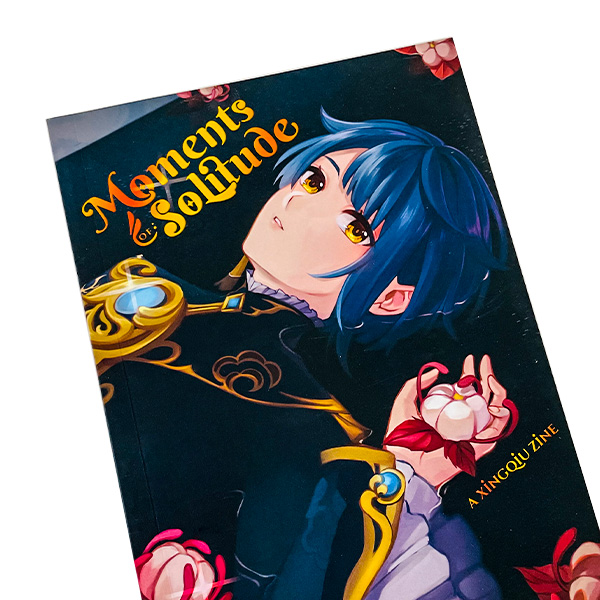
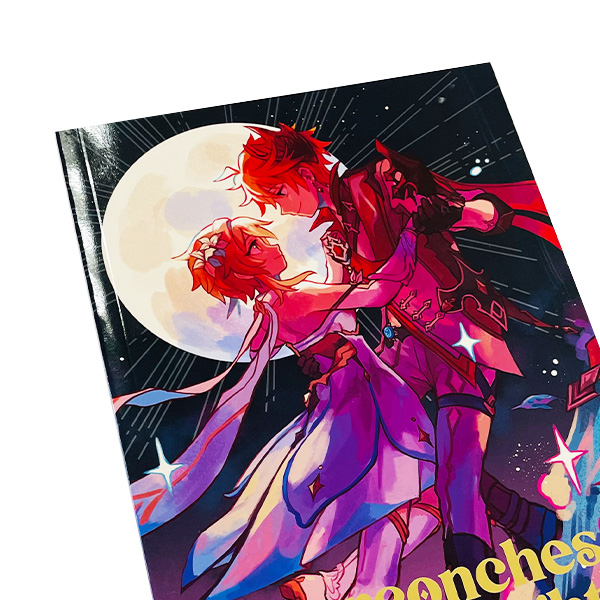
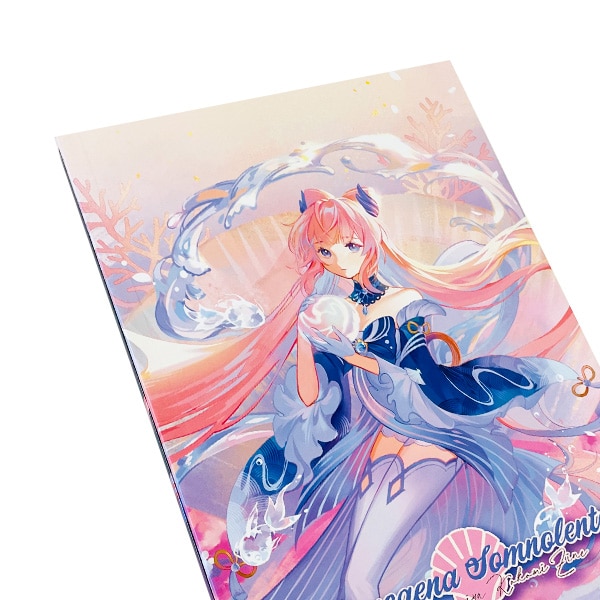
- Art books and coffee table books — soft-touch lamination on the cover of an art or coffee table book signals quality before the reader even opens it. The tactile cover draws the reader in and sets the tone for the experience inside.
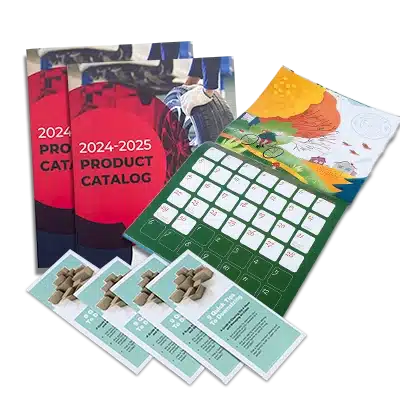
- Luxury product catalogs — for fashion, cosmetics, and lifestyle brands where the catalog itself is part of the brand experience, soft-touch lamination communicates the same level of care and quality as the products inside.
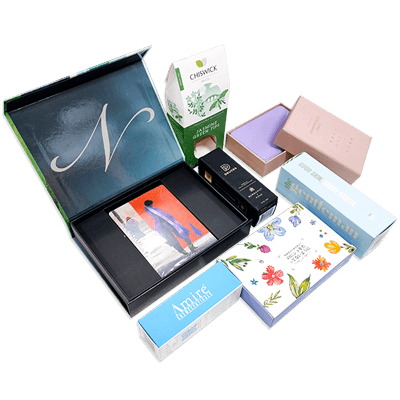
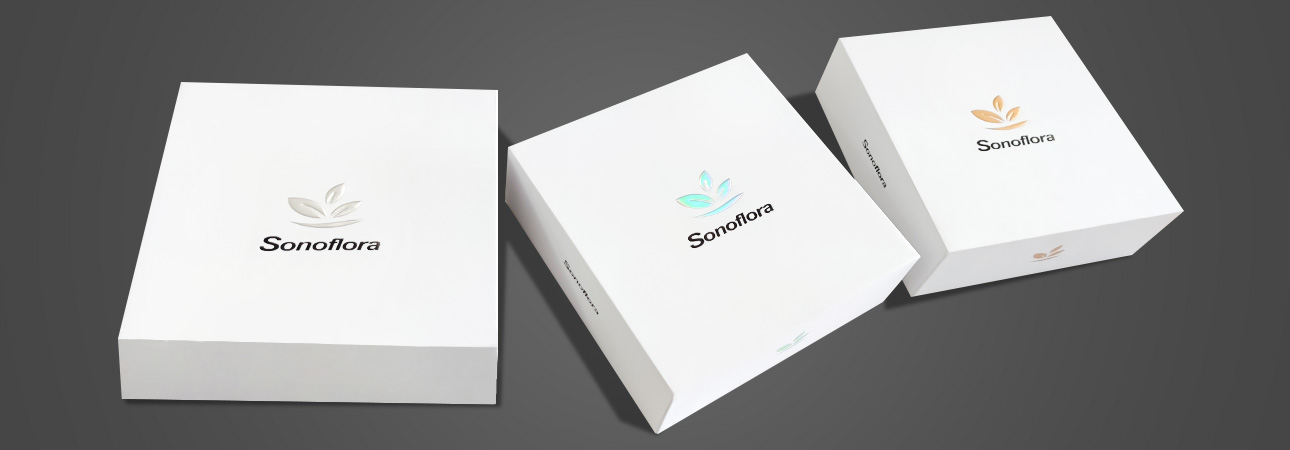
- Premium packaging — soft-touch lamination on custom boxes transforms packaging from a functional container into part of the product experience — particularly powerful for cosmetics, spirits, jewellery, and gift products.
- Special edition books and publications — for limited editions, collector’s editions, or any publication where the physical object needs to feel truly special, soft-touch lamination is the defining finishing choice.
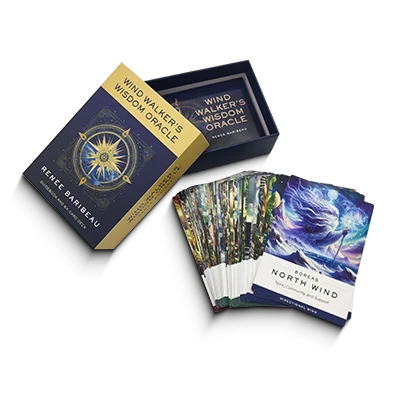
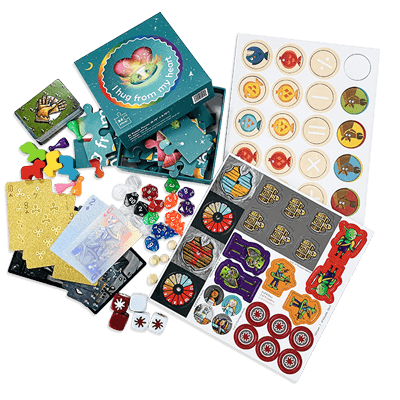
- Deluxe board games and card decks — for premium or collector’s editions of board games and card decks, soft-touch lamination on the box and components adds a level of luxury that the market expects and rewards.
Need Help Choosing the Right Finish?
Not sure if soft-touch lamination is the right choice for your project? Our experienced team is here to help you choose the finish that best suits your product, audience, and budget.
Get in touch today for a friendly chat or a no-obligation quote. We’d love to work with you.
Related Resources